All posts by Mary J

a woman riding a horse

The Trail Guide’s Toolkit: Problem-Solving Skills You Can Take Anywhere

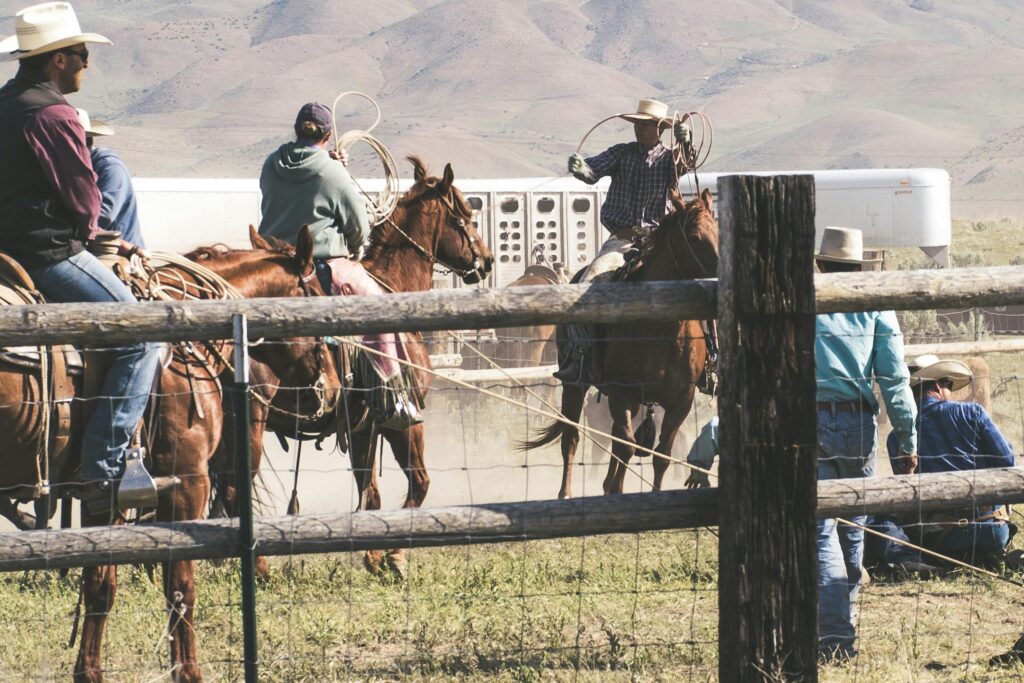
Look at your boots. Count the scuffs. That long scrape across the toe? From a rock you didn’t see coming. The cracked seam on the heel? Too many hours in the saddle, too many miles in the rain. Every guide has them. Every rider too. They’re not damage. They’re proof. Stories stitched into leather.

And the trails? They remember. That bent fencepost you fixed with baling wire isn’t just a repair—it’s a bookmark. A reminder of the day a horse spooked, the gate gave way, and you found out how fast you could think on your feet. Every muddy detour, every unexpected storm, every wrong turn becomes part of the landscape’s autobiography.
Trails That Don’t Lie

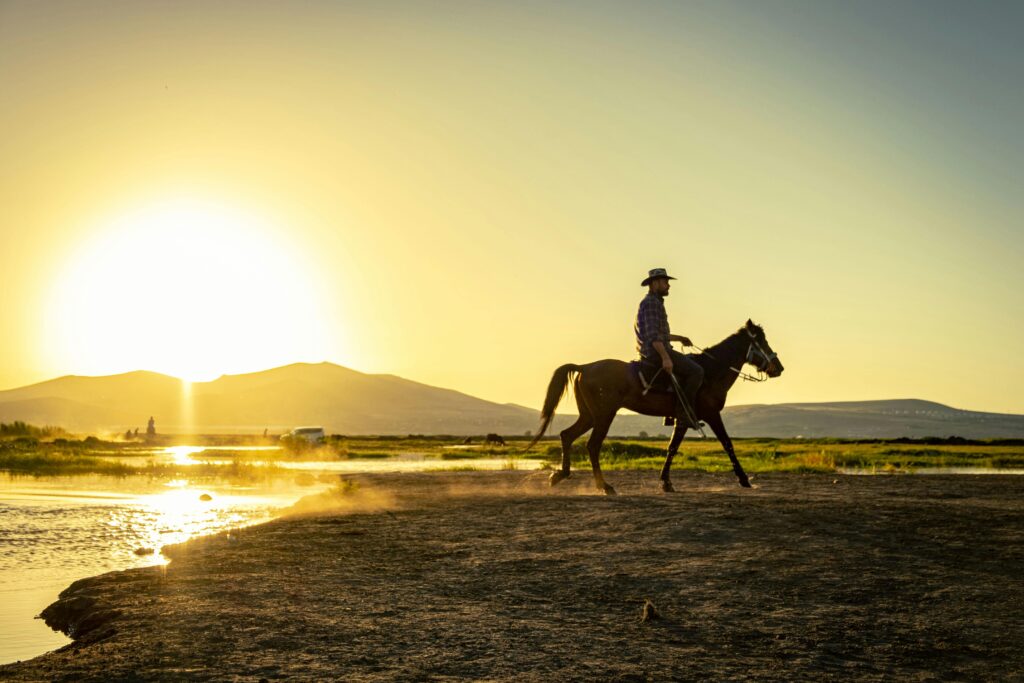
The trail doesn’t cover up. It doesn’t smooth over. If you misjudge the weather, you slog through the rain. If you push a horse too far, it lets you know. Out here, there’s no editing, no filters. Mistakes stay visible. So do solutions.

That’s the beauty of it: a trail ride evolves. Every choice you make—rerouting around a swollen creek, calming a nervous rider, tightening a cinch one extra notch—is written in dust and hoofprints. Each decision is a line in the day’s story.

The Brotherhood of Dust and Bruises

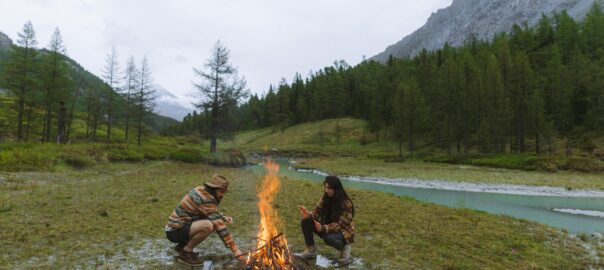
Sit around a fire after dark. Someone will eventually kick off their boots, stretch sore legs, and start telling stories. Everyone nods. Everyone’s got one. The worse the wreck, the better the laugh. A horse that bolted halfway up a ridge. A rider who lost a boot in the mud. The time someone brought trail mix but forgot the water.

Nobody cares about the rides that went smooth. The close calls get the applause. And when someone admits they got it wrong, everyone else leans in closer. Failure isn’t shame out here—it’s the common language.
Skills That Stick

Gear matters. But skills matter more. The real tools aren’t the ropes and knives. They’re patience, empathy, quick thinking. The calm tone that keeps a rider steady. The quick joke that dissolves tension. The instinct that tells you when a horse is about to spook.

And skills multiply. Every one you learn gives you another story to tell, another way to solve the unsolvable. A guide once told us he’d been taking an online locksmith course. The camp laughed at first—locks in the middle of nowhere?

But then he explained: locks are puzzles. Tiny machines built to test your patience and precision. And out on the trail, that’s the same toolkit you need. Quiet hands. Sharp instincts. A knack for unlocking the problem in front of you. Nobody laughed after that.

The Beauty of the Struggle

Nobody brags about the trail that went according to plan. The real legends come from the mess-ups. The storm that turned the meadow into soup. The greenhorn who packed flip-flops for a weeklong ride. The time your horse ate the map.

It’s miserable in the moment. But later? That’s the gold. The frustration fades. The bruise heals. What stays is the story. And the story is better than perfection ever was.

From the Trail to the Table

These stories don’t stay on the mountain. They travel. They pop up at kitchen tables, at bars, at campouts. Someone starts with, “You won’t believe what happened last weekend,” and suddenly the room is leaning in. Nobody remembers the GPS coordinates. Nobody cares about mileage. They remember who fell in the river. Or who tied a saddle with duct tape and made it home.

Perfection makes for quiet rides. Mistakes make for legends.

Legacy in Dust and Words

Here’s the truth. Scuffs fade. Bruises heal. Trails wash out in the rain. But the skills? They stick. Every scrape on your boot is a reminder you solved something. Every bruise is another line in your story. Every problem overcome is another punchline waiting for a campfire.

You leave a piece of yourself on every trail. The leather records the miles. The dust carries your lessons forward. And the stories? They’ll outlast you.

So next time the horse bolts or the sky opens up, don’t curse it too hard. That’s tomorrow’s story. And somewhere down the line, someone will raise a glass to it.
Weekend Reset: Why the Ranch is the New Wellness Retreat

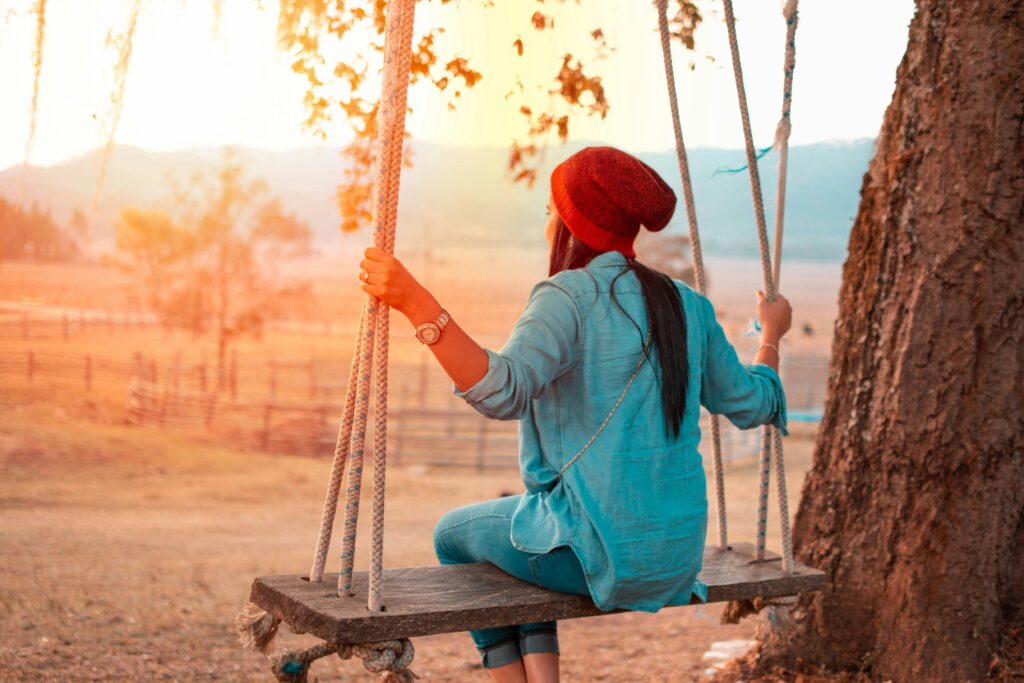
Wellness sounds great until you’re three minutes into goat yoga wondering why your leggings smell like lavender and regret. Somewhere along the way, taking care of yourself turned into a weird performance. Everything has to be curated. Tracked. Shareable. Even the “relaxing” stuff feels like work.

A ranch weekend doesn’t try to be wellness. It just is. And maybe that’s the magic. No apps. No hashtags. No expectations. You show up. You breathe. You exist in a space that doesn’t need fixing.

That’s where the reset begins.

Getting Off the Grid Without Losing Your Mind

Pulling into the ranch feels a little weird at first. No buzz from your phone. No list of things to do next. Just sky. And quiet. And probably a dog greeting you like you’re already part of the crew.

The cell signal disappears somewhere before the last cattle gate. You don’t panic. You shrug. That alone feels like progress. For once, no one’s expecting anything from you. No replies. No “quick calls.” Nothing but time and trees and air you can actually smell.

Mornings That Don’t Suck

There’s no alarm. The sun does its thing and so do the birds. You wake up when your body feels like it, not when your calendar tells you. The window’s open. The breeze has opinions. You listen.

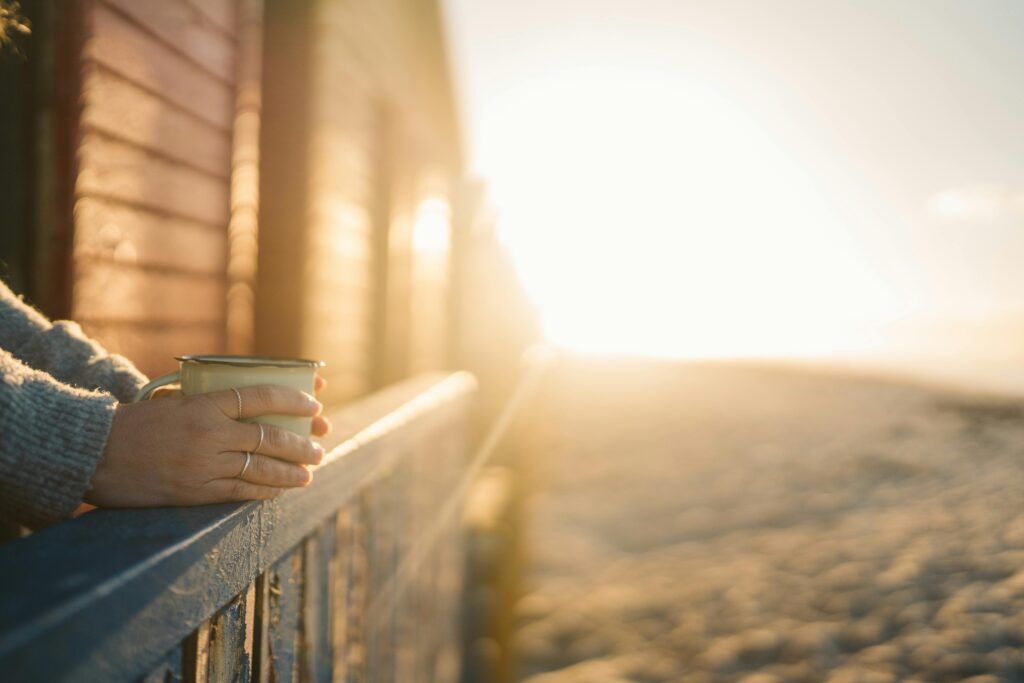
Coffee on the porch hits different. You wrap your hands around the mug like it owes you money. There’s no news. No screen glow. Just the slow shuffle of ranch life starting up around you.

Food That Makes Sense

Breakfast doesn’t come in a wrapper. Someone cooked it. Probably with actual butter. Eggs came from a coop, not a factory. Bread? Toasted on a skillet. And that jam? Made by a human, not a machine.

There’s no counting macros out here. You eat when you’re hungry. You stop when you’re full. No one’s posting their plate. No one’s judging yours. The table conversation leans more toward “how’d you sleep” than “how clean is your diet.”

Ranch Work > Hot Yoga

You feed animals. Sweep a barn. Ride a horse. You move without needing a fitness tracker to validate it. There’s no playlist. No instructor yelling motivational nonsense. Your brain stops spiraling because your body’s doing stuff that matters.

Even the simplest tasks hit a weirdly meditative note. Scooping grain. Brushing a horse. Fixing a fence. Nothing fancy. But it calms you in a way barre class never could.

Unplugged and Actually Happy About It

There’s a hammock. A field. Maybe a trail you wander without any reason. You stare at trees. Watch the clouds argue about who gets to block the sun next. You nap. Or don’t.

No one needs to be entertained. You remember how to be bored without being restless. You remember how nice it feels to not scroll every five minutes.

Conversations stretch longer than usual. Pauses feel comfortable. No one’s fact-checking with Google. No one’s looking for the next thing. You’re already in it.

Leaving Without Needing a Vacation From Your Vacation

Packing up feels strange. Your shoulders sit lower. Your eyes feel less twitchy. You don’t need to overhaul your life. You’re not swearing off social media or buying goat soap in bulk. You’re just a little less wired. A little more human.

The ranch didn’t transform you. It reminded you. About rest. About simple food. About being outside for no reason at all. That’s real wellness. Not trendy. Not loud. Just honest.

And yeah, your phone will blow up the second you hit pavement. But for a few days, you remembered what silence tastes like. And now you kind of crave it.

The River as a Reset Button: A Day Floating Off the Grid

You ever get that feeling like your brain is a browser with 30 tabs open, and at least five of them are playing music? Yeah, same. Life gets loud. Not just from people or traffic or alerts, but from inside your own head. That kind of noise builds up. And sometimes, you need something strong enough to quiet it.

Not therapy. Not wine. Not a digital detox with your phone face-down but still buzzing.

A float trip? That’s the reset that actually works.

Pushing Off and Powering Down

It starts before the boat even touches the water. Early morning. Fog clinging to the banks. Boots crunching on gravel. Coffee in hand. Everyone’s speaking quieter, not because they have to, but because it feels right. You’re not quite sure if it’s the cold air or the river doing it, but your shoulders already feel a little less knotted.

There’s no dramatic moment when you leave the world behind. It just sort of fades out. One push from shore and you’re drifting. That’s when it hits. No signal. No buzzing. No checking the time. You finally remember what it feels like to not be reachable.

Silence, but Not the Weird Kind

This isn’t awkward silence. It’s the kind where your ears start picking up things they’ve been too busy to notice. An oar slipping through water. The flap of wings above. The water slapping the hull every few seconds like a heartbeat.

No one’s filling the space with small talk. You don’t need to. It’s like the river gives you permission to shut up for a while.

Fishing Without the Pressure

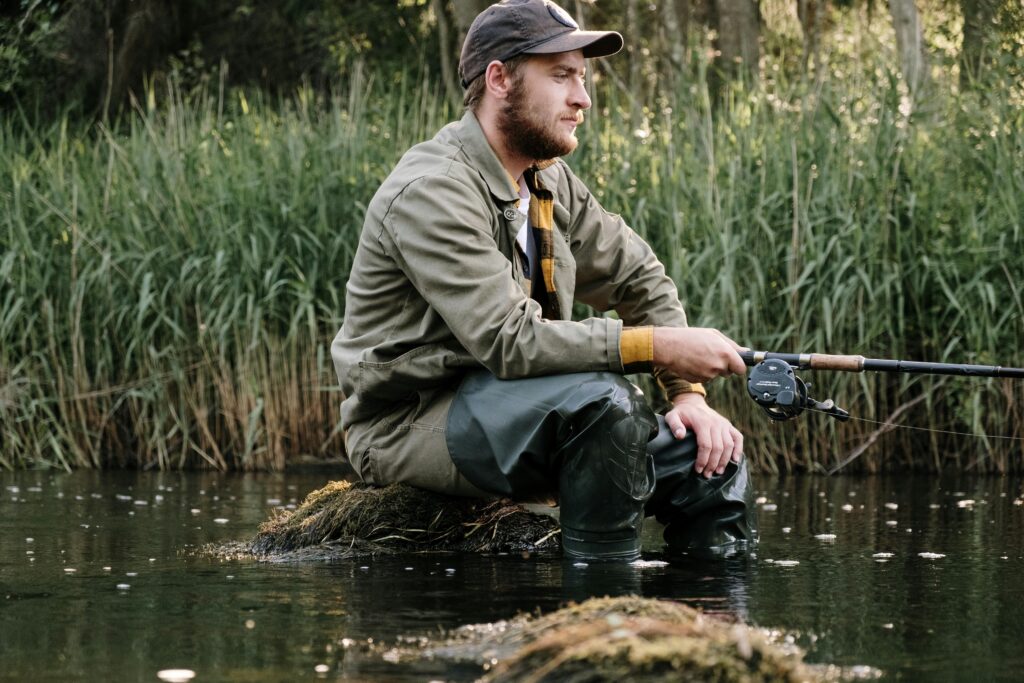
You don’t need to be some expert angler out here. Honestly, half the time you forget you’re holding a fly rod. It becomes more of a fidget tool than anything. Flick, drift, repeat. There’s something really nice about doing something with your hands that doesn’t demand results.

Sometimes a fish bites. Sometimes it doesn’t. Either way, it’s peaceful. And that’s the point. Not trophies. Not bragging rights. Just rhythm and water and the excuse to stare into trees for long stretches of time.

Gravel Bars, Bare Feet, and No Plans

Around midday, the boat slides up to a gravel bar. You stretch your legs and sink into the warm rocks like a lizard. Lunch appears from someone’s dry bag. It’s always better than it should be. A sandwich in the sun beats any restaurant.

No one’s rushing. There’s no next thing. No meeting or check-in or “quick call.” Maybe someone naps on a log. Maybe someone tries to skip rocks. Maybe a bald eagle flies overhead and everyone stops chewing to watch.

It’s weird how fast unstructured time becomes your favorite thing.

Coming Back, Kinda

By late afternoon, the sun tilts low and everything starts to glow. That golden, end-of-day light makes even a muddy riverbank look like art. You think about how you should probably check your phone soon. You don’t do it yet.

At the take-out, you finally reconnect. Bars reappear. Notifications flood in. But something’s shifted. All that stuff that felt loud this morning? It can wait a little longer now.

You feel cleaner, even if you’re covered in river mud. Lighter, even after a full day outside. You didn’t solve anything. You didn’t have some major breakthrough. But your brain feels like it stopped yelling.

Everyone Needs a Float Day

You don’t need to fish. You don’t need to know what oarlocks are or own waterproof gear. You need space. Stillness. Quiet that isn’t awkward. Time that doesn’t tick loudly.

The river gives that freely. No password required.

And if you’re lucky, it leaves you better than it found you.